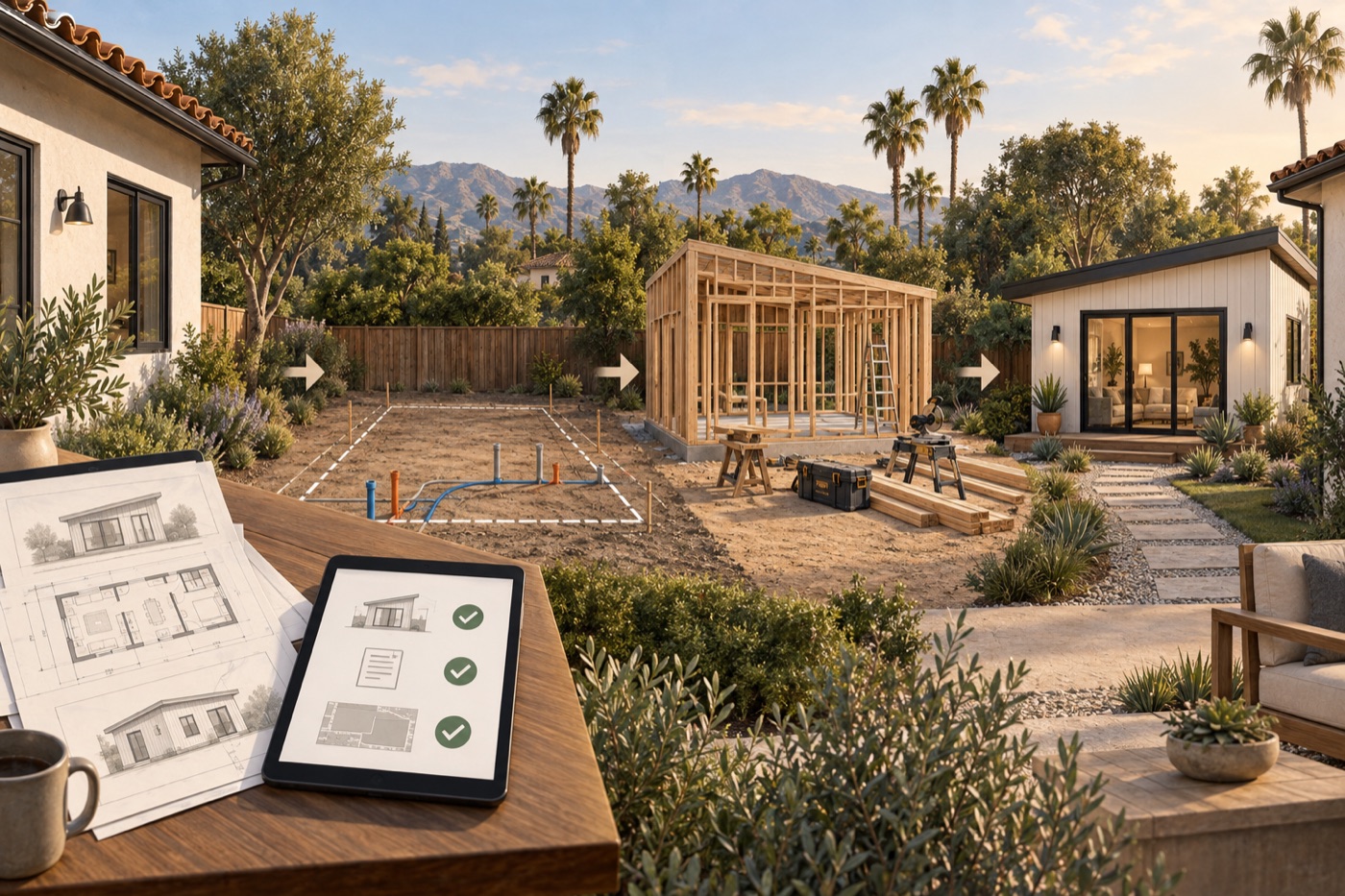
When people hear “permitting reform,” they may picture a city employee removing a stamp from a desk and a home appearing a few weeks later.
The real process is less dramatic.
Housing moves from an idea to a plan, from a plan to financing, from financing to review, and from review to construction. Along the way are questions about land, utilities, roads, fire access, drainage, design, environmental conditions, labor, materials, and public safety.
Making that process clearer and faster can help. It does not make the questions disappear.
What Washington is encouraging
The new 21st Century ROAD to Housing Act includes measures intended to help communities plan for growth, streamline certain reviews, support infill housing, and encourage tools such as preapproved housing designs.
A preapproved design can reduce repeated architectural and plan-review work when the same basic home or accessory unit is suitable for more than one site. Digital permitting and clearer checklists can reduce uncertainty. Coordinated reviews can prevent an application from sitting between departments without a clear next step.
These improvements sound administrative, but time has a cost. Interest, labor, rent, insurance, and materials continue while a project waits.
Why a preapproved plan is not an approved property
Even when a design has been reviewed, the site still matters.
Setbacks, lot shape, grading, easements, utility capacity, HOA restrictions, fire zones, flood conditions, soil, parking, and local development standards may change what can actually be built. A design that works beautifully on one parcel may need substantial changes on the next.
This is especially important for a buyer considering a home because of its apparent ADU or expansion potential. A large backyard is not a permit. A neighbor's project is not approval for yours.
The local layer cannot be skipped
Federal policy can offer grants, standards, incentives, and direction. California sets another layer of housing and building law. Cities and counties administer zoning, plan review, permits, inspections, infrastructure, and many project-specific decisions.
In Irvine, for example, permit and plan-check information is handled through the city's current building and safety systems. A buyer evaluating future work should verify the process directly with the city and appropriate design and construction professionals.
What this means for someone buying today
If a future addition, conversion, or second unit is important to the purchase, investigate before treating that future space as part of the home's value.
Ask:
- What is allowed under current state and local rules?
- Are there recorded easements or HOA restrictions?
- What plans, surveys, reports, and professional evaluations are needed?
- Which utility or site improvements may be required?
- What has the city approved—not simply discussed?
- How much time and financial contingency should the plan include?
It is natural to feel impatient with the pace of housing. Families are making difficult decisions now, not ten years from now.
The best reforms will not remove careful review. They will make the path more understandable, reduce needless repetition, and allow good projects to move without losing years to avoidable uncertainty.
That may not make for a dramatic headline. It is how homes actually get built.
A property-specific next step
Policy can shape the market, but a good decision still belongs to the property and household in front of you. Raveena can help you organize the real-estate questions, compare documented property facts, and identify which questions belong with a tax adviser, attorney, lender, insurance professional, contractor, government agency, or other qualified expert.
Sources and further reading

Reviewed by Raveena Ashar
Orange County real estate professional · California DRE #01936601 · Rise Realty